

Tapp into the Truth
Politics • News
Welcome to the Tapp into the Truth community. You don't have to be a listener or a fan of the show to be part of this community (but it helps). You just need to be a fan of personal liberty, a defender of the Constitution, and a lover of the republic that was founded as the United States of America.
Interested? Want to learn more about the community?
The Sixth Amendment

"In all criminal prosecutions, the accused shall enjoy the right to a speedy and public trial, by an impartial jury of the State and district wherein the crime shall have been committed; which district shall have been previously ascertained by law, and to be informed of the nature and cause of the accusation; to be confronted with the witnesses against him; to have compulsory process for obtaining witnesses in his favor, and to have the assistance of counsel for his defense."

The Sixth Amendment is focused on protecting the rights of citizens accused of a crime. It guarantees important rights to criminal defendants, and while there is a long-standing sentiment that our system works harder to protect criminals than victims, it is vital to remember that to be accused is not the same as being guilty. Suppose the day should ever arise that you find yourself wrongfully accused of a crime. In that case, you will be glad to be in a system that puts the "burden of proof" on the accusers rather than the reverse.

Right to a Speedy Trial: The "right to a speedy and public trial" is rarely an issue, as attorneys for both the prosecution and the defense typically welcome "reasonable" delays to build their case and/or defense. However, such delays are not the reason behind this restriction placed on the government. A "speedy trial" is intended to prevent the government from taking someone into custody and then detaining them for an extended period without affording them the opportunity to defend themselves against the accusations made against them. It is intended to prevent the taking of "political prisoners" in the United States. (That is also the reasoning behind making these trails "public." )

Right to an Impartial Jury: The idea of the jury trial is that a group of peers will see the evidence that the government has brought against the accused and determine the guilt and/or "not guilt" of the accused based solely on the case presented. (A jury will not determine the innocence of the accused, as the working premise is that the accused is innocent until proven guilty. The jury is only determining if the government's case is sufficient for a finding of guilt based on the legal standards, which are not the same for all crimes.) In order for this to work as intended, the jury must be impartial towards the accused, the crime they are accused of, and the government seeking the conviction of the accused. A biased jury is unlikely to decide the case based solely on the evidence presented, rendering the entire purpose of a jury trial moot. But through an impartial jury, the system is more likely to protect the rights of the accused.

The Right to Know Why and What: In our modern world, here in the U.S., it is hard to imagine someone being taken into custody without being told why. The right to know what you are being accused of is fundamental to your ability to defend yourself. A quick look around the world (at the time of the Framing and even today in many places) reveals the importance of this aspect of the Sixth Amendment.

The Right to Face Your Accusers & Present Defense Witnesses: Many believe that the right for the accuser to be able to look witnesses against them in the eye at the time of testimony is based on the rather old-fashioned notion that it is harder to lie about someone when you are doing it in front of them. It is possible to argue that many people will not speak as freely about someone if that someone is in the room and you know they are hearing everything you are saying. However, it is just as likely that a witness may be less inclined to tell the truth out of fear of the accused, as they would be less likely to lie about the accused due to the prospect of facing them. The Framers knew this, but included it nonetheless, as they believed a person has a right to know who is bearing witness against them, and they understood that this would allow the accused to offer the best defense possible, which is the individual right they were trying to protect.

The ability to offer witnesses of your own is a natural extension of the "best possible defense" ideology. It is often said that you could "get an indictment against a ham sandwich" from a Grand Jury. This is because, at the Grand Jury stage of the criminal justice process, jurors are only presented with evidence and testimony from the government's side of the case. (The idea being to test the strength of the government's case and if a trial is warranted.) If the accused were not allowed to present witnesses in their defense, the trial would not be much different from the Grand Jury hearing, a very one-sided prosecution without any defense. Additionally, the ability to cross-examine witnesses against the accused is at the heart of this right. It is through cross-examination that the government's "best witnesses" can often be shown to be less than stellar witnesses in the full light, as opposed to the government-centered testimony first given.

The Right to Counsel: The right of the accused to have an attorney represent them, even if they cannot afford one, is vital to ensuring the best possible defense. Challenging the case presented by the government on a legal basis is a task best left to a competent lawyer whose primary concern in the case is to provide the accused with the best possible defense. This does lead to many questions about the adequacy of public defenders when they are pressed into service for "those who cannot afford an attorney." The concern being about the quality and availability of legal representation due to the various public defender systems often being underfunded and overburdened, which can certainly lead to inadequate investigations, limited time with clients, and insufficient preparation for trials. That would be a violation of the spirit if not the letter of the Sixth Amendment.

Many factors can make it challenging to protect the rights of accused citizens, as listed in the Sixth Amendment. Determining the difference between reasonable delays in moving forward with a trial and delays that are meant to stall for the government to strengthen their case or just keep the accused detained pretrial; ensuring the impartiality of a jury, making the process of jury selection challenging regarding potential biases or undue influence from factors like pretrial publicity; and the adequacy/effectiveness of counsel are all moving parts that require a delicate balance. However, that is a balance that is necessary to protect an accused citizen's right to a fair trial.

Interested? Want to learn more about the community?
What else you may like…
Videos
Posts
Articles
Why is There Antisemitism?

Clip from the Feb. 6th Tapp into the Truth Rumble Live Stream featuring Kenneth Abramowitz, author of The Multifront War: Defending America From Political Islam, China, Russia, Pandemics, and Racial Strife and founder of Save The West, a website dedicated to saving Western Civilization.

Watch the full video at:

00:01:00
placeholder
How James Talarico Is Trying To Rewrite The Bible On Abortion

Notably, Talarico is not an advocate for only these exceptions being added to Texas’ abortion ban, but instead believes in abortion on demand with zero restrictions.

https://www.dailywire.com/news/how-james-talarico-is-trying-to-rewrite-the-bible-on-abortion

Supreme Court Rejects Lawsuit Against Blue States Over Illegal Immigrant Truck Drivers

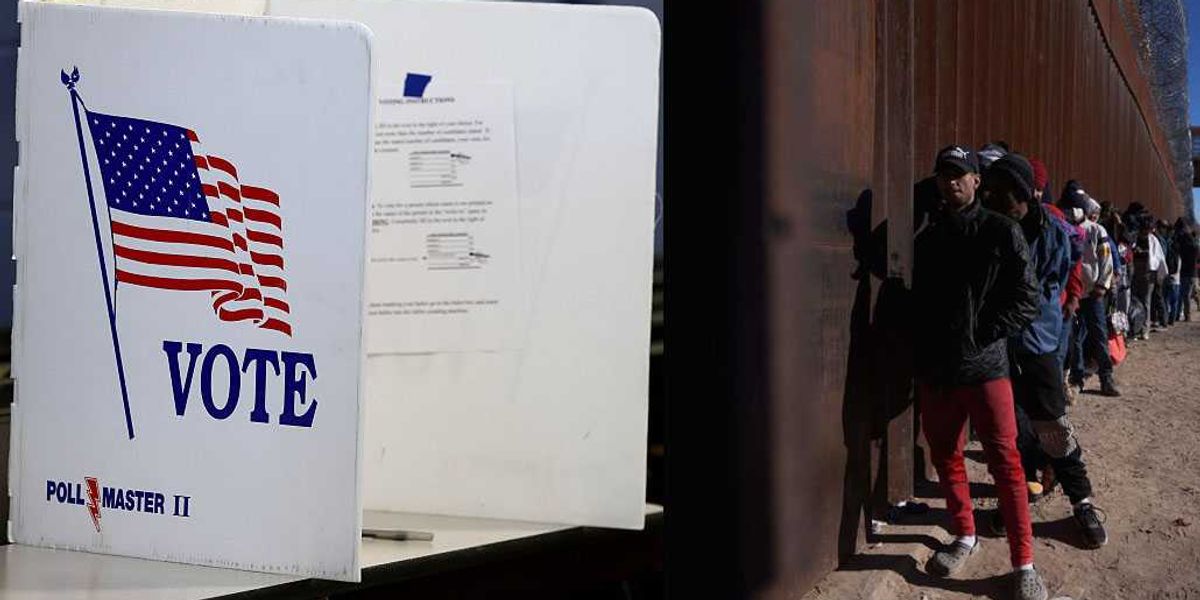
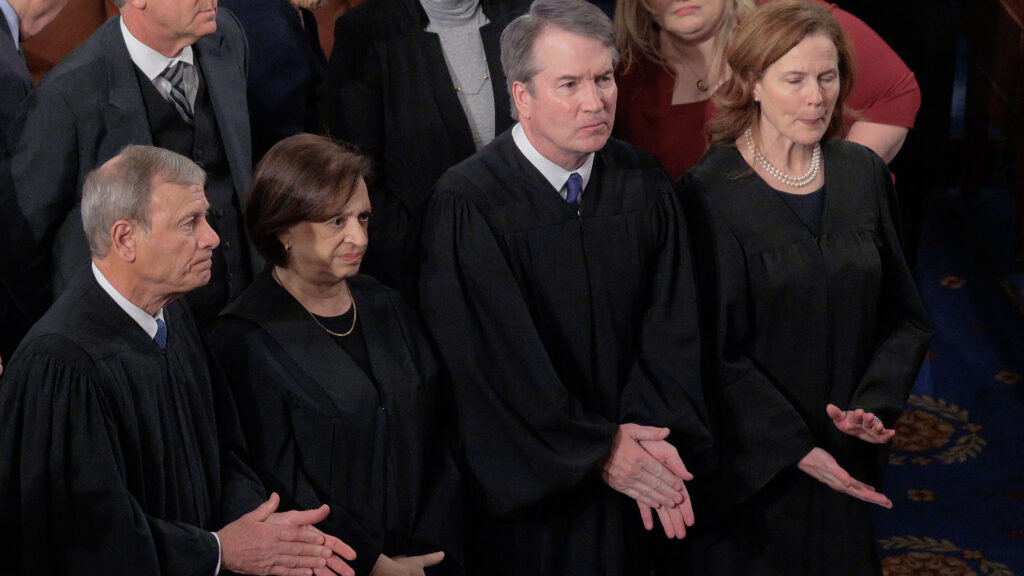
The Supreme Court on Tuesday slammed the brakes on a high-stakes, cross-country legal war, throwing out a lawsuit by Florida that aimed to punish blue states for putting allegedly unqualified illegal immigrants behind the wheel of deadly 80,000-pound rigs. Clarence Thomas, joined by Justice Samuel Alito, ripped his colleagues in a blistering dissent, arguing that the court cannot simply duck its constitutional duties while rogue states spark a national border crisis on wheels.

https://www.dailywire.com/news/supreme-court-rejects-lawsuit-against-blue-states-over-illegal-immigrant-truck-drivers

The County D.A. Handing Out Get-Out-Of-Jail-Free Cards

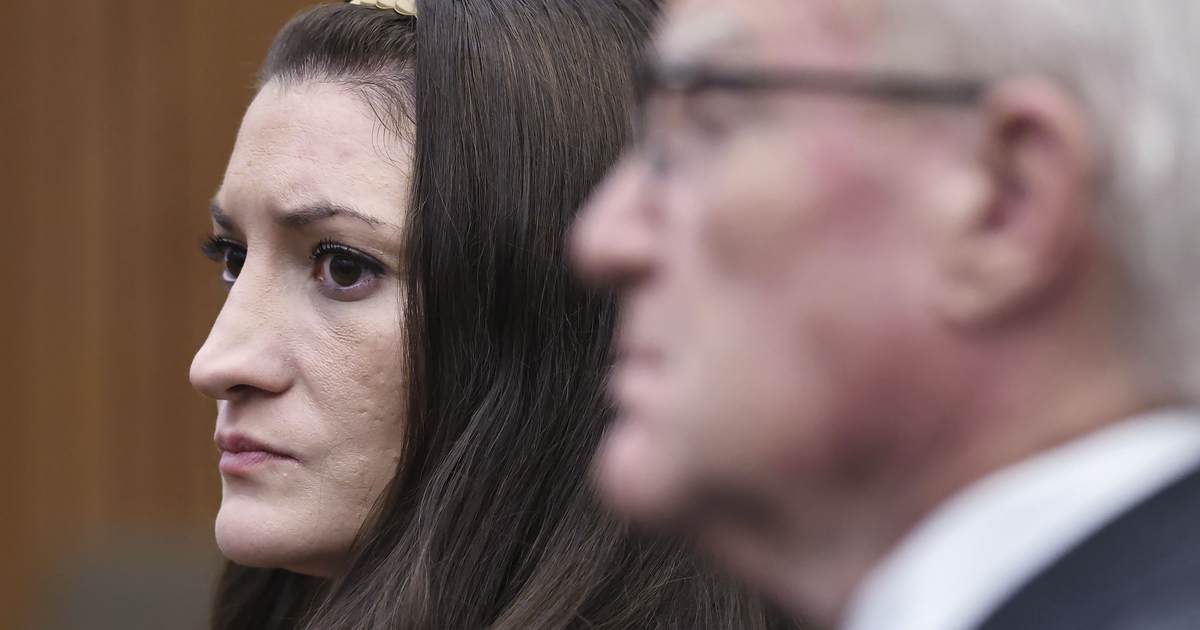
His explanation was the moment of the hearing. The promises were just “a campaign statement,” he said. Voters, he suggested, were “obtuse” if they could not tell the difference between what he told them to win the election and what he actually did in office.

https://www.dailywire.com/news/the-county-d-a-handing-out-get-out-of-jail-free-cards

April 01, 2026
Can Trump End Birthright Citizenship via Executive Order?

I first wrote this article, and it was published on clashdaily.com back on Nov. 1st, 2018. Given that the SCOTUS is finally looking at the issue, it feels like a good time to revisit it. Below is the piece as originally published.

The simple answer is no. However, the question of whether our current system of “birthright” citizenship is constitutionally legal is a very different question. We presently confer citizenship on anyone, regardless of parents’ legal status in the country, who is born in the U.S. or its territories. But is that Constitutional?

President Trump’s comments to Axios on HBO has led to a media frenzy on the topic, with reporting that shows a general lack of understanding of the 14th Amendment to the Constitution and the history behind it. Examples ranging from The New York Post’s statement, “President Donald Trump says he wants to order the end of the constitutional right to citizenship for babies of non-citizens and unauthorized immigrants born in the United States.” to the conservative National Review’s claim, “At first glance, the amendment’s language appears straightforward: All persons born in the United States are citizens — leading to the conclusion that if Trump and his allies want to change birthright citizenship, they’re going to have to amend the Constitution.”. Both outlets’ reporting insinuates that merely being born here grants you citizenship via the Constitution, but Constitutional scholars disagree on that point.

First, let’s look at the Constitution for the definition of citizen. Throughout the main body of the U.S. Constitution there is no legal definition or qualifications of citizenship. In fact, there was no national birthright rule within the States before 1866. The reason being that before 1866 the authority to distinguish alien from citizen was solely in the power of the States. After the Revolution, much of the pre-existing common law under English rule, including the concept of natural born allegiance (birthright citizenship of the day), was largely rejected by the States. The general rule was that children born to transient aliens or temporary visitors remained alien. Early states also required of aliens who desired to become residents of the State to first renounce any allegiances to other governments and pledge their allegiance solely to the State.

The Constitution didn’t include a definition for citizenship until the addition of the 14th Amendment. Best known for the concept of “equal protection of the laws”, the 14th Amendment is one of the Reconstruction Amendments, intended to aid in the rebuilding of the nation after the American Civil war and in this case, it was meant to establish former slaves as citizens. Section one of the amendment reads, “All persons born or naturalized in the United States, and subject to the jurisdiction thereof, are citizens of the United States and of the state wherein they reside. No state shall make or enforce any law which shall abridge the privileges or immunities of citizens of the United States; nor shall any state deprive any person of life, liberty, or property, without due process of law; nor deny to any person within its jurisdiction the equal protection of the laws.”

The first sentence of section one clearly defines the requirement to be a citizen. But, there are many pro-illegal alien activists who want to debate (or flat out ignore) the meaning of the phrase, “and subject to the jurisdiction thereof”. To best understand the meaning, as with all other parts of the Constitution, is to look at the language used and the debate leading to the framing of the amendment. During the debates of the 14th Amendment’s citizenship clause, its primary framers, Sen. Jacob Howard and Sen. Lyman Trumbull listened to concerns about such topics as including Chinese, Mongolians, and Gypsies to citizenship. Also, Sen. Fessenden, co-chairman of the Reconstruction Committee, raised the question of persons born of parents from abroad temporarily in this country (an issue he would not have raised if Congress were merely reaffirming the common law doctrine) and of course, the question of Indians. It is a common mischaracterization of the debates to say that Senators Trumbull, Cowan, and Conness suggested both the Civil Rights Bill and the 14th Amendment would make children born to Chinese or Mongolian parents citizens regardless of the legal status of the parents. This conclusion is incorrect because they were in fact discussing whether “race” of the parents should play a role. They were not suggesting that location of birth alone should be the sole requirement of citizenship under the Fourteenth Amendment.

Historical context in place, it is clear that the framers of the 14th Amendment thought, debated, and intended for “subject to the jurisdiction thereof” to be a pivotal part of the requirement for citizenship. And while some have challenged the meaning of the phrase, it should have been settled when, in the case of Steel Co. v. Citizens for a Better Environment, the court said that the meaning of the phrase must be used in its “operational meaning”, which is to say how the Framers of the Amendment meant it.  Sen. Trumbull, one of the two primary framers of the 14th, “The provision is, that ‘all persons born in the United States, and subject to the jurisdiction thereof, are citizens.’ That means ‘subject to the complete jurisdiction thereof.’ What do we mean by ‘complete jurisdiction thereof?’ Not owing allegiance to anybody else. That is what it means.

In our current system, precedent often stands until challenged in a higher court and then overturned. This is true even when courts rule in a fashion that is not in line with the Constitution. Also true, is the fact that sometimes even the SCOTUS will offer an opinion that is more in line with social activism than with originalist constitutional philosophy. “Birthright citizenship” is a matter that has fallen into the realm of precedent based on 8 U.S. Code § 1401, and either intentional or unintentional interpretation of the 14th Amendment. In order to clarify the meaning of “subject to the jurisdiction thereof” Congress has passed laws but the one thing most Americans can agree on is that no law can edit, amend, or overrule the Constitution; only a new amendment can do that.

If you look at the question of “birthright” citizenship from an “originalist” viewpoint, it is clear that the children of diplomats, tourists, and illegal aliens who are born in the U.S. are not eligible for citizenship. Decades of precedent have been granting citizenship to large numbers of children who are not qualified by the standard of the 14th Amendment. Only a new hearing in federal court, going all the way to the SCOTUS, can correct this issue.

Can President Trump end this practice with just an executive order? No. But issuing an executive order on the matter might just be the easiest way to fast-track the question to the “Highest Court in the Land” and hopefully ending the practice of just giving away one of the most precious things that exist in this world, citizenship in the United States of America.


Read full Article
March 18, 2025
post photo preview
Artificial Colors Banned by 2029

   Health and Human Services Secretary Robert Kennedy Jr. has issued a broad ban of “artificial colors by the end of his term in 2029 or face government intervention.”  While the new directive was focused toward the biggest companies in the food industry like PepsiCo North America, Kraft Heinz, General Mills, Tyson Foods, WK Kellogg, and JM Smucker (whom RFK, Jr. had meetings with the CEOs as well as representatives from the Consumer Brands Association), it is clear that all food manufactures and processors are expected to follow the edict.
   It is reported that RFK, Jr. told the executives that “removing artificial dyes is an urgent priority,” but he left what happens if the companies fail to comply intentionally vague. This ominous, open-ended threat was enough to make the markets react as stock for the food giants all dipped at a sharper rate than the S&P 500 in general (which was on a downward vector) pointing to investors’ concern about how the new directive will affect the bottom-line. (But to be fair, whenever the government gets involved to this extent, investors tend to get nervous, at least until they have a better idea of what the actual fallout will be.)
   How will the “removal of food dyes” policy affect the bottom line for food companies? Ultimately,, it is impossible to fully evaluate the question without knowing the ramificationsof non-compliance. After all, from a financial standpoint, it may be better to take the governmental penalty hit than a sales loss if the food is suddenly visually unappealing. People eat with their eyes, a,nd the U.S. market i,s not accustom,ed to seeing food that hasn’t been “dressed up” a bit to better meet an expected look. Add into the equation that there are surprisingly few “natural” food dyes that are as effective in coloring food items, and most are sourced in ways that are, shall we say, less than appetizing if you know the source. 
   This is a moment in time, however, where financial concerns may be overcome by both the true and the perceived health concerns that the dyes may present. The “Make America Healthy Again” movement has been picking up steam for years, well before it got its shiny new branding to fall inline with the Trump 2.0 administration. The American consumer has never been more conscious of what goes into their food and what the effects could be. This could put the food companies at more considerable risk of losses if the public believed that they were happy to risk your children’s health to pocket a little extra coin per unit sold. Especially given that companies like PepsiCo, Kraft Heinz, General Mills, WK Kellogg, and JM Smucker have different formulations, without many of the food dyes, that they have been selling in Europe for decades. 
   Further evidence of the moment we find ourselves in (regarding food colors and safety) is the fact that many states did not wait for the RFK, Jr. ultimatum to begin taking action. California has outlawed Red 40, Yellow 5, Yellow 6, Blue 1, and Green 3 in school meals. West Virginia is moving forward with bipartisan legislation that would ban a wide range of dyes and additives from all food products sold in the state. Removing harmful additives from our food supply seems to be one of the few truly bipartisan issues in our current political chaos.
  As impactful as removing food dyes from our diets will be, RFK Jr. has his sights set on a much bigger target, the GRAS system. That is the FDA’s “Generally Recognized As Safe” program that gives food manufacturers great latitude in using ingredients based on claims that an ingredient has been safe in other applications as scientific grounds to claim without the FDA officially, independently approving the ingredient for use in the manner the food company is intending. But that is a different topic for another day; just keep it on your radar.
   The question now isn’t, “does the American consumer want healthier options,” that has been made clear, and the answer is a resounding YES. The question is how those same consumers will react when they get what they are asking for. Will steak and ground beef sales hold steady when all the beef looks grey instead of red? Will they be as drawn to that banana pudding that is a natural off-white color instead of the yellow we all think of when we think banana? Well, we certainly can get used to these things if we have enough time. The US consumer, however, is notoriously impatient and very vocal during this kind of transition. So expect grumbling from the public and a bumpy ride for the food companies (in fact, some of the smaller companies may not survive to change. 
   Will MAHA succeed? It all depends on your definition of success, but time will tell.    

Read full Article
January 16, 2025
Losing At Chutes & Ladders

   I recently wrote about how Iran has effectively captured Venezuela as a proxy state in an article / op-ed that you can find at BizPac Review or here at locals. Iran has been "gifted" a large amount of land in Venezuela; It has entered into a 20-year "partnership agreement," and it has built (and is operating) a military drone factory at a Venezuelan military base, plus providing training on how to use the multiple attack UAVs that are being built there. While this is a reason to be concerned, things escalated a bit over the weekend and have been significantly downplayed by the legacy media to the point that next to no one is even talking about it.

   This past Saturday (January 11th, 2025), during Venezuela's "International Anti-Fascist Festival" in Caracas, the socialist dictator and Iranian lapdog Nicolás Maduro threatened to invade Puerto Rico, saying,  "Just as in the north they have a colonization agenda, we have a liberation agenda." and then adding, "The freedom of Puerto Rico is pending, and we will achieve it with Brazilian troops." No matter how serious you may take this threat - sabar rattling by someone looking to position himself in the eyes of the rest of South America, impress his Iranian, Russian, and Chinese "friends," just a big mouth who had a little too much to drink before taking the stage - whatever you may think, it s a clear, open threat against an American territory. (Kudos by the way to Jenniffer González-Colón, the current governor of Puerto Rico, who had the sense to skip reaching out to the (technically-still-in-charge) Biden/Haris White House and directly wrote Trump asking the in-coming administration to "to respond to the dictator's threat."

   Meanwhile, in Western Europe, China is looking to increase its influence in Germany. Chinese officials are working on a deal that would see Chinese automakers move into German automotive factories slated for closure and are particularly interested in Volkswagen's sites. Germany has previously been greatly dependent on Russia for energy (and reports vary as to the reality of how much that has actually changed since the Ukraine conflict), but taking the word of the German government about it, Germany can ill afford to trade that out the Russian influence for Chinese influence on what is (at least for now) the largest economy in the European Union.

   The pieces continue to be moved around the board by the Axis. And while the CCP and Iran lay the groundwork for what both believe will eventually end with them individually dominating the world, the Biden/Harris administration (either by incompetence or by design) continues to make it easier for what's left of the Free World to fall. January 20th, 2025, can't get here fast enough. Say what you will about Donald Trump, but at least he is not losing a game of Chutes & Ladders when the adversaries of the United States are playing 3-D chess.

Read full Article
See More
Available on mobile and TV devices
google store google store app store app store
google store google store app tv store app tv store amazon store amazon store roku store roku store
Powered by Locals